 844.883.2483
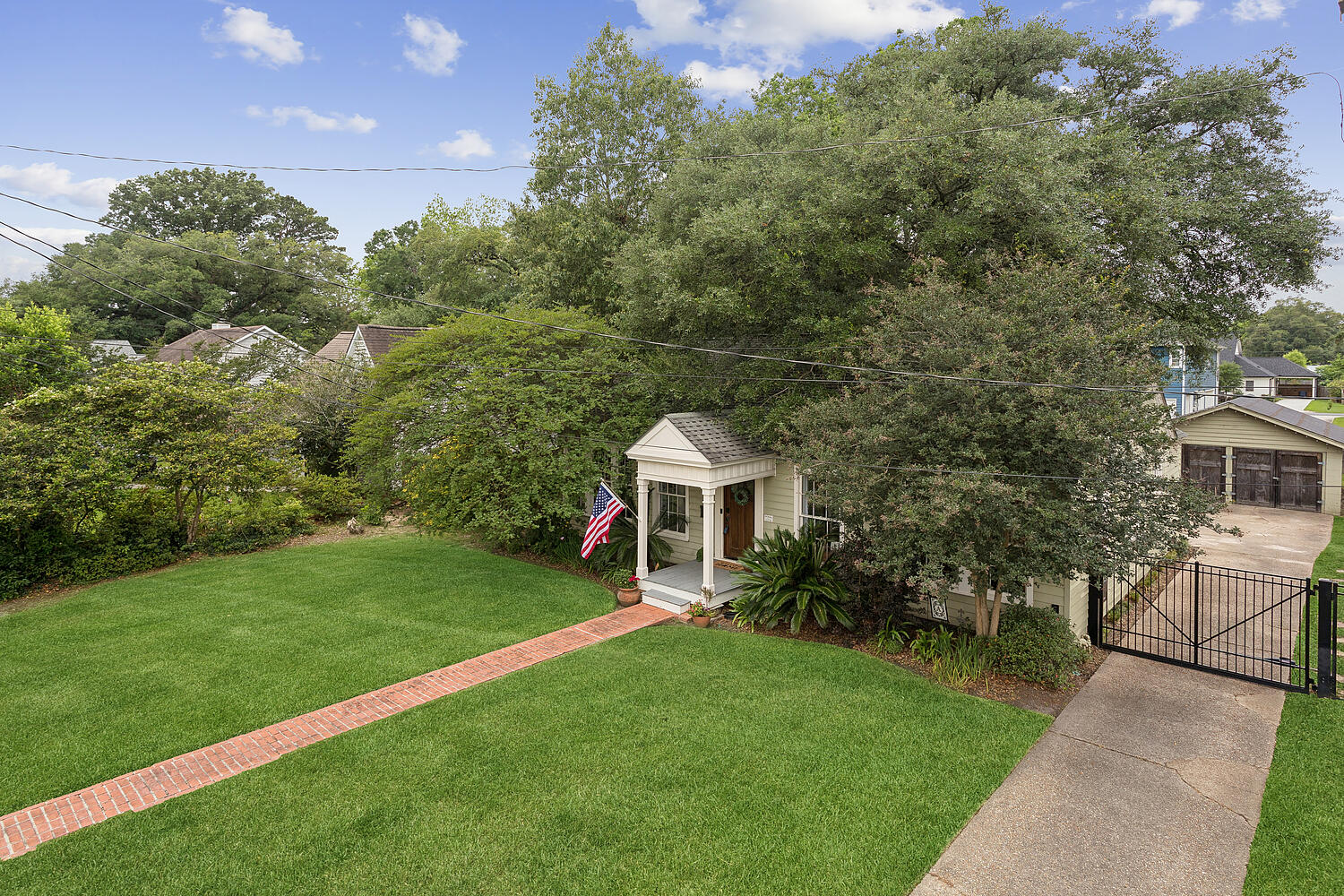
The exterior photo is often the first image buyers see when browsing real estate listings online. Before they read the property description or view the interior, they have already formed an opinion based on the home’s curb appeal. A dry, brown lawn can unintentionally distract buyers from an otherwise beautiful property, making professional presentation more important than ever.
Virtual grass enhancement has become a valuable tool for real estate professionals who want listing photos to reflect a property’s full potential, especially during droughts, winter dormancy, or seasonal lawn damage. When performed professionally, virtual grass editing creates a realistic, natural appearance while helping buyers focus on the home itself rather than temporary landscaping conditions.
Why Exterior Photos Matter
Today’s buyers begin nearly every property search online.
Within only a few seconds, they decide whether a listing deserves further attention.
Because of this, the first exterior photograph often determines whether buyers continue viewing the listing.
A healthy green lawn naturally frames the property and creates an inviting first impression.
It helps emphasize landscaping, architectural details, and outdoor living spaces while giving the home a well-maintained appearance.
Professional real estate green grass enhancement can help ensure listing photographs present the property in its best light, even when weather conditions have affected the lawn.
As explained in Does Curb Appeal Really Affect Property Sale Prices, exterior presentation can influence buyer interest long before a showing is scheduled.
The Problem with Brown or Patchy Lawns
Brown grass is not always the result of poor maintenance.
Many homeowners experience seasonal dormancy, drought restrictions, excessive summer heat, recent construction, or irrigation issues that temporarily affect lawn appearance.
Unfortunately, buyers viewing online listings rarely know why the lawn looks brown.
Instead, they simply react to what they see.
A dry lawn can unintentionally suggest deferred maintenance and reduce the property’s overall visual appeal.
In competitive markets where buyers compare multiple listings within minutes, even small visual distractions can influence which homes receive more attention.
Our article Why Brown Lawns Can Reduce Buyer Interest explains how buyers often make subconscious judgments about an entire property based solely on the appearance of its exterior.
What Is Virtual Grass Enhancement?
Virtual grass enhancement is a professional editing technique that replaces or improves the appearance of brown, patchy, or dormant grass in listing photographs.
Unlike major digital alterations that change the property’s structure or layout, virtual grass enhancement simply restores the lawn to a healthy, realistic appearance.
Professional editors carefully match color, texture, lighting, shadows, and perspective so the finished image appears completely natural.
When performed correctly, buyers notice the attractive property—not the editing.
The goal is not to misrepresent the home but to present it in a condition that reflects how it typically appears during a healthy growing season.
Why Virtual Grass Creates Better First Impressions
First impressions strongly influence buyer behavior.
When buyers see a property with healthy landscaping, they immediately perceive it as more welcoming and better maintained.
The lawn naturally draws attention toward the home rather than distracting from it.
Professionally enhanced grass also creates better contrast with landscaping, flower beds, walkways, driveways, and architectural features.
This allows buyers to appreciate the home’s overall presentation without being distracted by temporary seasonal conditions.
Our article The Psychology of First Impressions in Property Marketing explains why visual presentation affects buyer emotions so quickly and why attractive listing photographs encourage greater online engagement.
Ethical Considerations for Virtual Grass Editing
Professional virtual grass enhancement should always be used responsibly.
The purpose is to improve the visual presentation of temporary lawn conditions—not to misrepresent the property’s permanent features.
Unlike adding landscaping that doesn’t exist or altering the size of the yard, virtual grass enhancement simply restores a healthy appearance to existing lawn areas.
Many sellers choose this approach when photographing a property during winter, periods of drought, or after recent landscaping work.
By keeping edits realistic, buyers still receive an accurate representation of the home’s layout while enjoying a more attractive first impression.
Transparency and professionalism remain important, and reputable real estate photographers understand where to draw the line between enhancement and misrepresentation.
Combining Virtual Grass with Professional Photography
Virtual grass editing works best when paired with high-quality real estate photography.
A professional photographer understands how to use natural lighting, proper composition, and the best camera angles to maximize curb appeal before editing even begins.
Professional editing then enhances those already strong images by ensuring the lawn blends naturally with surrounding landscaping, shadows, flower beds, and architectural elements.
The result is a polished listing photo that feels authentic while helping buyers focus on the property’s strengths.
At Fotosold, we believe image enhancements should complement excellent photography—not replace it.
When combined with professional photography, realistic virtual grass editing helps create listing images that attract attention while maintaining buyer confidence.
When Virtual Grass Provides the Greatest Value
Virtual grass enhancement is especially valuable in situations such as:
- Summer drought conditions.
- Winter dormancy.
- Newly constructed homes before landscaping has matured.
- Vacant properties with neglected lawns.
- Investment properties between tenants.
- Homes photographed before lawn treatments have taken effect.
- Properties with irrigation issues that cannot be resolved before listing.
- Tight marketing deadlines that don’t allow time for lawn restoration.
In these situations, virtual grass allows agents and homeowners to market the property immediately without waiting weeks for landscaping improvements.
Rather than allowing temporary lawn conditions to affect buyer interest, professional editing presents the home in a way that reflects its long-term appearance.
Our article Before and After How Virtual Grass Changes a Propertys Appearance shows how subtle, realistic editing can dramatically improve listing photos while preserving the home’s authentic character.
Local Market Knowledge Makes Better Marketing
Every market has unique seasonal conditions that affect landscaping.
Experienced local photographers understand how regional weather, climate, and buyer expectations influence exterior presentation.
Whether photographing family homes, luxury residences, investment properties, or new developments, local expertise helps determine when virtual grass enhancement can add value to a listing.
Professional photographers also understand how to balance enhancements with realistic expectations, ensuring buyers remain focused on the property itself.
If you’re marketing homes throughout Louisiana, combining virtual grass enhancement with our Baton Rouge real estate photography services helps create attractive listing photos that showcase every property’s full potential while maintaining a professional and natural appearance.
Conclusion
Virtual grass enhancement has become a valuable tool for improving real estate listing photos when temporary lawn conditions would otherwise distract buyers.
By restoring the appearance of healthy grass, professional editing helps strengthen curb appeal, improve first impressions, and encourage buyers to spend more time exploring a listing.
When combined with professional real estate green grass enhancement and high-quality photography, sellers and real estate professionals can present homes with greater confidence while ensuring buyers focus on the property’s true strengths rather than seasonal landscaping challenges.