 844.883.2483

Rental Property Photo Documentation: What Landlords Should Capture Before and After Repairs
A maintenance log tells you that a repair happened. Photos show what the problem looked like, what the contractor actually did, and what condition the unit was in afterward. When a tenant disputes a deposit deduction, an insurer questions a claim, or a contractor says the leak was there before they started, that difference matters.
Most landlords take some photos. The trouble is that they're usually scattered across a phone camera roll, shot from random angles, and impossible to find a year later. Here's how to take repair photos that are actually useful when you need them.
Marketing Photos vs. Documentation Photos
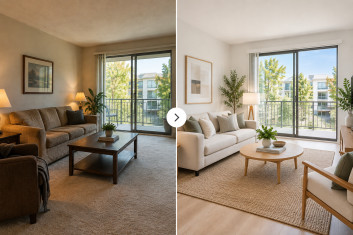
These do different jobs. Professional listing photography is built to make a unit look its best, with wide angles, balanced lighting, and careful editing. That's exactly why listing photos is weak evidence. A wide-angle lens hides a stained carpet in the corner of the frame, and brightness adjustments wash out the water mark on the ceiling.
Documentation photos are the opposite. They should be plain, well lit, and unedited, with something in the frame for scale, like a tape measure next to a crack or a coin next to a chip in the countertop. A listing photo shows the kitchen. A documentation photo shows the cracked grout line behind the sink and how long it is.
What to Capture Before Repairs Begin
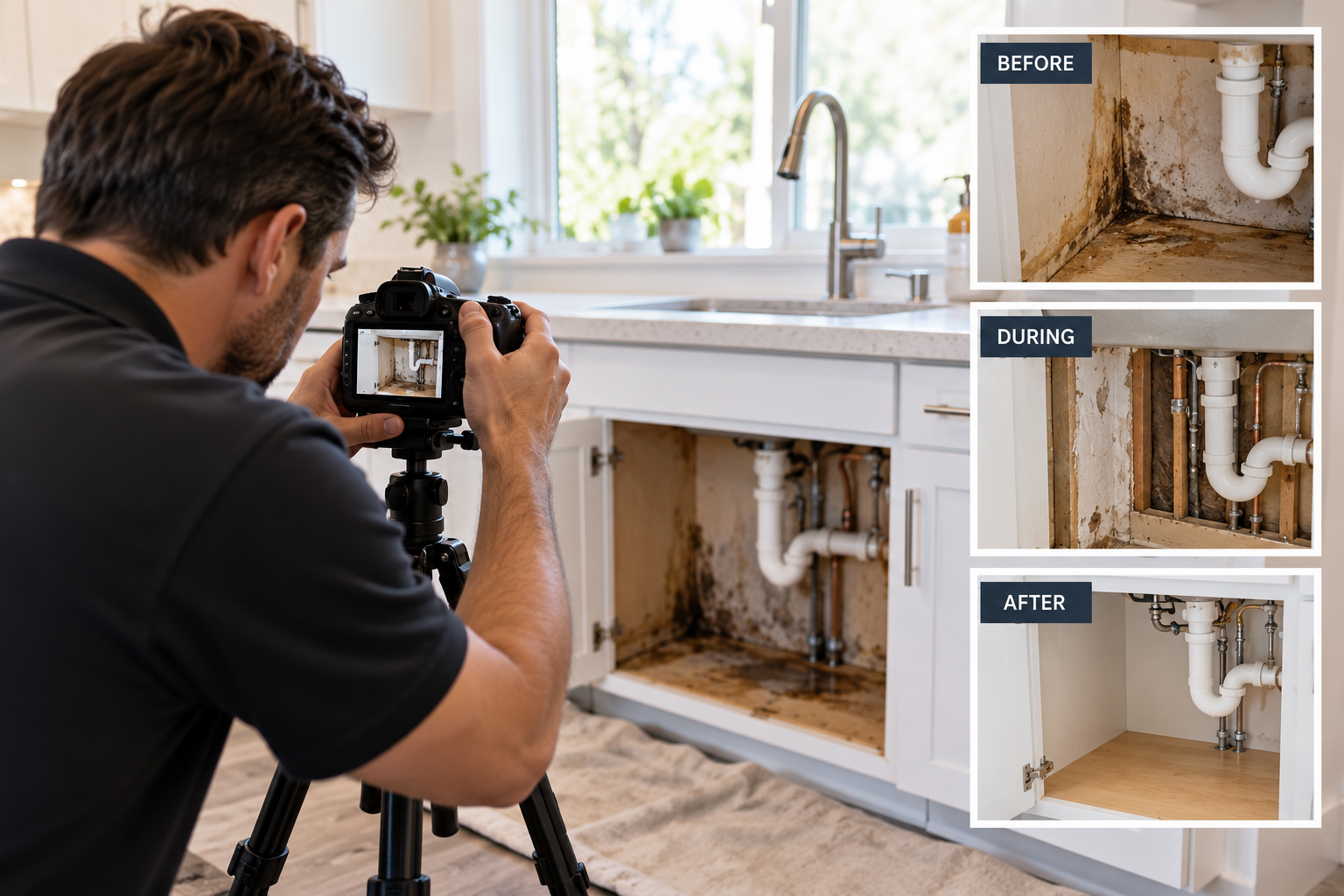
Before any contractor touches the property, shoot each problem at three distances. Start with a wide shot from the doorway so it's clear which room you're in, then a mid-range shot that shows the full extent of the damage, then close-ups of the details: the crack, the stain, the broken hinge, the mold along the baseboard.
Then photograph what's around it. If a contractor is replacing a section of drywall, take pictures of the flooring underneath and the trim on either side. Those surfaces are what get scratched or dented during the work, and without a before photo, nobody can prove whether the damage was already there. For appliance and HVAC repairs, also photograph the data plate with the model and serial number. It saves a trip back when you need to file a warranty claim or order a part.
Video is worth adding for anything involving water or moving parts. A 15-second clip of a dripping supply line or a furnace making a grinding noise shows the problem better than any still photo.
Capturing Repair Progress
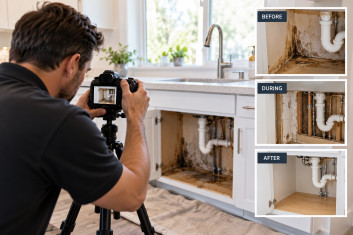
Progress photos are the ones most landlords skip, and they're often the most valuable. Once a wall is closed up, there's no way to see whether the plumber replaced the whole section of pipe or just patched it, or whether the subfloor under new tile was actually replaced. Ask contractors to send photos of open walls, exposed pipes, and structural work before anything gets covered. Most will do it if you ask before the job starts, and it's a reasonable condition to put in your work order.
When the job is finished, photograph the result from the same spots you used for the before shots. Matching angles make the comparison obvious to anyone looking at them later, whether that's an owner, an adjuster, or a small claims judge.
File Naming and Organization
A photo buried in an unnamed folder is nearly worthless. A consistent naming format makes it easy to pull up the right images in seconds:
PropertyAddress_UnitNumber_Date_RepairType_Stage
Example: 412MainSt_Unit3_20260601_PlumbingLeak_Before.jpg
Store files in a cloud-based folder structure organized by property, then year, then repair event. Keep photos at least as long as you keep the rest of the maintenance file, and never delete repair photos for a unit while a tenant who lived there during the repair could still dispute their deposit.
Timestamps and Metadata
Phones automatically store the date, time, and usually the GPS location inside each photo file. That hidden data is what makes a photo credible, so protect it. Texting photos, posting them in group chats, or sending them through some messaging apps can compress the image and strip that information out. Upload originals straight to cloud storage or your property management software instead, and ask contractors to do the same.
For high-stakes repairs, like a major water loss you expect to turn into an insurance claim, a documentation app that produces time-stamped, GPS-tagged reports adds another layer, since the report shows the photos weren't altered after the fact.
Why This Matters for Security Deposits
Repair photos and move-in photos work together. If a tenant moves out and you deduct for damage, you'll need to show what the unit looked like before they moved in and what it looked like after. In Indiana, for example, landlords have 45 days after the tenancy ends to return the deposit along with an itemized list of damages, as Indiana's renting handbook for tenants and landlords explains. A deduction backed by dated before-and-after photos is much harder to dispute than one backed by a description.
For tenants who stay several years, mid-lease inspection photos fill the gap. An Athens, Georgia property management company that does an annual inspection with a full condition report, for example, can show roughly when damage appeared, instead of comparing move-in and move-out photos taken five years apart.
How Professional Property Management Helps
Maintaining consistent documentation across multiple units and repair cycles takes time, and a lot of independent landlords let it slip.
Property managers have an extra reason to stay on top of it: they're often approving repairs on someone else's behalf. A Fort Wayne property management company, for example, may go ahead with any repair under $1,000 and contact the owner for approval above that. In a setup like that, before photos sent along with the estimate let an owner approve a bigger repair the same day without driving out to see it, and the after photos show the money was spent on what was approved.
Final Documentation Checklist
Before closing out any maintenance ticket, confirm you have:
- Post-repair photos taken from the same angles as the before shots
- Progress photos of any work that was covered up
- Contractor invoices saved in the same repair file
- Date of completion recorded
- Tenant notification or acknowledgment (if applicable)
- Original files saved to cloud storage with the standard naming format
None of this takes long once it's routine. The landlords who struggle in a dispute are rarely the ones with bad photos. They're the ones who can't find any.