 844.883.2483
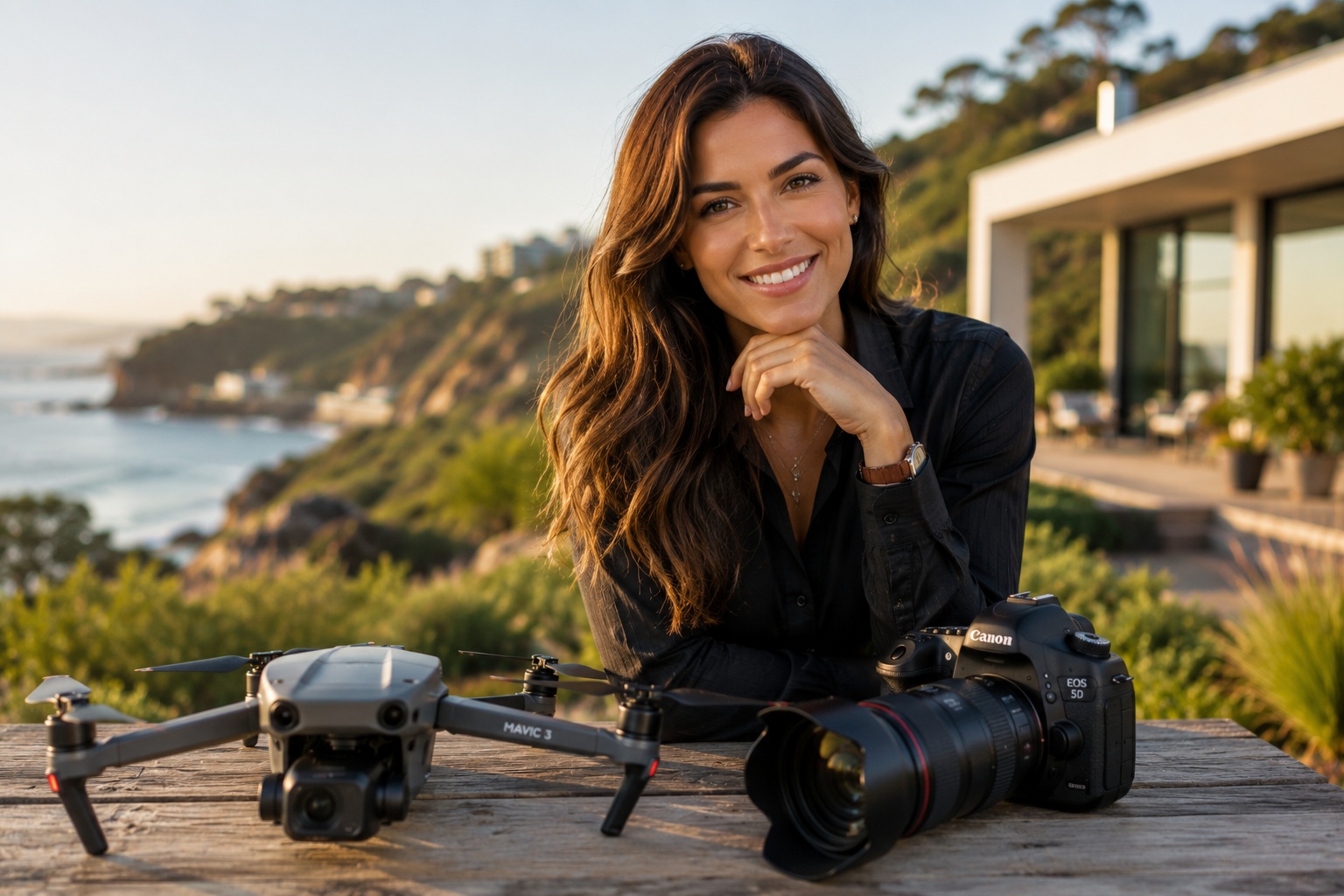
Professional photography is one of the most powerful marketing tools available in real estate. High-quality images help buyers form their first impression of a property, encouraging them to explore listings further and schedule showings. As technology has evolved, drone photography has become an increasingly popular addition to traditional real estate photography, offering buyers perspectives that were once impossible to capture.
Many real estate professionals wonder whether traditional photography or drone photography delivers the best results. The truth is that each serves a different purpose. Understanding the strengths of both allows agents, brokers, homeowners, investors, developers, and property managers to create more effective marketing campaigns that showcase every property in the best possible way.
Understanding the Difference Between Traditional and Drone Photography
Traditional real estate photography focuses on presenting the property from ground level.
Professional photographers capture carefully composed images of the home’s interior and exterior, highlighting architectural details, room layouts, finishes, and curb appeal.
These photographs allow buyers to appreciate the spaces they will actually experience when walking through the property.
Professional drone real estate photography, on the other hand, provides an entirely different perspective.
Instead of focusing only on individual rooms or exterior elevations, aerial photography reveals the property’s relationship to its surroundings.
Buyers can better understand lot size, landscaping, nearby amenities, outdoor entertainment areas, waterfront access, and neighborhood layout.
Together, these two photography styles provide buyers with a much more complete understanding of the property than either could achieve independently.
The Strengths of Traditional Real Estate Photography
Traditional photography remains the foundation of every successful real estate listing.
Every buyer wants to see the home’s interior before deciding whether to schedule a showing.
Professional photography captures:
- Living rooms
- Kitchens
- Bedrooms
- Bathrooms
- Dining areas
- Home offices
- Finished basements
- Outdoor patios
- Front elevations
- Architectural details
These images create emotional connections by allowing buyers to imagine themselves living in the home.
Lighting, composition, and professional editing all contribute to making rooms appear bright, spacious, and inviting.
Traditional photography also performs exceptionally well across MLS listings, property websites, brochures, social media, email campaigns, and online advertising.
Regardless of the property’s size or price point, professional interior and exterior photography should always form the foundation of the marketing strategy.
The Advantages of Drone Photography
Drone photography complements traditional photography by showing buyers everything they cannot easily see from ground level.
Aerial imagery reveals how the property sits within its surroundings while showcasing features that may otherwise go unnoticed.
Drone photography is particularly effective for highlighting:
- Large lots
- Swimming pools
- Outdoor kitchens
- Guest houses
- Detached garages
- Driveways
- Waterfront locations
- Golf course frontage
- Mountain views
- Extensive landscaping
These broader perspectives help buyers understand the property’s overall layout while adding visual interest that immediately distinguishes the listing from competing properties.
As discussed in Benefits of Drone Photography for Real Estate Properties, aerial photography provides valuable context that enhances buyer understanding while creating stronger online presentations.
When to Use Traditional Photography, Drone Photography, or Both
Not every property requires aerial photography.
For smaller condominiums, apartments, or townhomes located in dense urban areas, professional traditional photography often provides all the information buyers need.
However, larger residential properties, luxury estates, waterfront homes, farms, ranches, commercial buildings, and new developments frequently benefit from aerial imagery because buyers can better appreciate the property’s size and setting.
If you’re unsure whether drone photography is appropriate for a specific listing, our guide When Is Drone Photography Worth Using explains which property types receive the greatest benefit from professional aerial photography.
In many situations, the strongest marketing strategy combines both photography styles.
Traditional photography captures the emotional appeal of the home’s interior.
Drone photography provides the broader perspective that completes the property’s story.
Together, they help buyers make more informed decisions before scheduling a showing.
Creating a Complete Marketing Package
Today’s buyers expect more than a handful of photographs.
They want to understand the property completely before investing their time in an in-person visit.
Combining traditional photography with drone imagery creates a comprehensive marketing package that answers more buyer questions while increasing confidence.
At Fotosold, we’ve found that listings featuring both professional photography and aerial imagery often provide a more engaging online experience because buyers can evaluate both the home’s interior features and its overall setting.
This combination also gives agents greater flexibility when creating marketing materials for different platforms.
Interior images may be featured prominently on MLS listings, while aerial photographs often perform exceptionally well in social media campaigns, luxury brochures, and property websites because they immediately capture attention.
Helping Buyers Make Better Decisions
One of the primary goals of real estate marketing is to provide buyers with enough information to confidently schedule a showing.
Traditional photography and drone photography each contribute different pieces of that decision-making process.
Interior photographs help buyers evaluate room layouts, finishes, natural lighting, and architectural details.
Drone photography answers questions about the property’s surroundings, outdoor amenities, neighborhood, and overall scale.
When buyers receive both perspectives, they develop a more complete understanding of what the property offers before visiting in person.
Professional aerial photography is particularly valuable for showcasing features that influence purchasing decisions but cannot be fully appreciated from the ground.
These include:
- Property boundaries.
- Privacy from neighboring homes.
- Outdoor entertainment spaces.
- Landscaping.
- Waterfront access.
- Driveway layout.
- Views from the property.
- Nearby parks, golf courses, or other amenities.
Understanding these features helps buyers determine whether the property fits their lifestyle while reducing uncertainty during the early stages of the buying process.
Our article What Buyers Look for in Aerial Property Photos explores the types of aerial images buyers find most helpful and why thoughtful drone photography creates stronger listings.
Drone Photography and Luxury Real Estate
Luxury properties often receive the greatest benefit from aerial photography because so much of their value extends beyond the home’s interior.
Large estates frequently include expansive grounds, resort-style pools, guest houses, detached garages, private roads, waterfront access, equestrian facilities, vineyards, or beautifully landscaped gardens.
These features are difficult—sometimes impossible—to fully appreciate using only traditional photography.
Drone photography allows buyers to understand how every part of the property connects together while presenting the estate as a complete lifestyle experience.
Luxury buyers also expect premium marketing.
Professional aerial imagery immediately communicates that the property has been presented with care and attention to detail.
As discussed in How Drone Photography Helps Sell Luxury Properties, combining luxury photography with professionally planned aerial imagery creates memorable listings that stand out in competitive high-end markets.
Local Market Knowledge Makes Every Image More Effective
Whether using traditional photography, drone photography, or both, local experience plays an important role in creating effective real estate marketing.
Experienced photographers understand which property features local buyers value most and how to showcase them effectively.
They know how to use lighting, composition, timing, and perspective to highlight each property’s strengths while presenting the surrounding neighborhood in its best light.
Whether marketing family homes, luxury estates, commercial buildings, waterfront properties, or new developments, working with experienced professionals helps create photographs that resonate with buyers.
If you’re marketing homes throughout Louisiana, combining professional aerial imagery with our Baton Rouge real estate photography services creates a complete visual marketing package that showcases every property from both the ground and the air.
Conclusion
Traditional photography and drone photography are not competing marketing tools—they are complementary techniques that work together to create stronger real estate listings.
Traditional photography captures the interior details and emotional appeal that encourage buyers to imagine living in the home.
Professional drone real estate photography provides the broader perspective that showcases lot size, outdoor amenities, surrounding landscapes, and neighborhood context.
By combining both photography styles, real estate professionals can present properties more completely, improve buyer confidence, and create marketing materials that stand out in today’s competitive market.
Choosing the right combination for each property helps buyers make informed decisions while giving every listing the strongest possible opportunity to attract qualified enquiries.