 844.883.2483
Virtual staging is one of the most cost-effective ways to improve the presentation of a vacant property. However, not every room needs to be staged to create a strong first impression. If you’re working with a limited marketing budget, knowing which spaces have the greatest impact can help you maximize your investment while still creating an inviting online listing.
For real estate agents, brokers, homeowners, investors, developers, and property managers, strategically choosing which rooms to stage first often leads to better buyer engagement and more effective property marketing.
Why Prioritizing Rooms Matters
Most buyers spend only a few seconds looking at each listing before deciding whether to continue browsing.
The first images they see have the greatest influence on that decision.
Instead of virtually staging every room, many successful agents focus on the spaces buyers care about most.
These key rooms create the emotional connection that encourages buyers to explore the rest of the listing.
Professional virtual staging for vacant homes helps showcase these important living areas while keeping marketing costs under control.
The Living Room Should Always Come First
If only one room will be virtually staged, it should almost always be the living room.
The living room is often the centerpiece of the home.
It’s where families gather, guests are entertained, and buyers begin imagining everyday life.
An empty living room can feel cold and difficult to interpret.
Without furniture, buyers may struggle to judge the room’s size or understand how it functions.
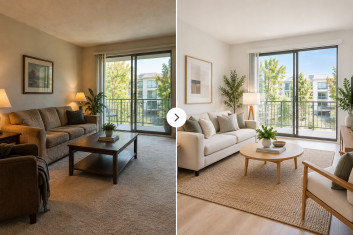
A professionally staged living room immediately communicates comfort, warmth, and purpose.
Tastefully selected furniture also helps define conversation areas while highlighting architectural features such as large windows, fireplaces, built-in shelving, and open floor plans.
Our article How Buyers Emotionally Respond to Furnished Spaces explains why this emotional connection plays such an important role in attracting buyer interest.
The Primary Bedroom Is a Close Second
The primary bedroom is another room that deserves high priority.
Buyers want to imagine this space as a peaceful retreat.
A well-staged bedroom creates feelings of comfort, relaxation, and privacy.
Simple furnishings such as a bed, nightstands, lamps, artwork, and an area rug are often enough to transform an empty room into an inviting space.
Professional staging also helps buyers better understand the room’s proportions and furniture placement possibilities.
When buyers can visualize themselves waking up in the room each morning, they begin forming a stronger emotional attachment to the property.
Kitchens and Dining Areas Build Lifestyle Appeal
Although kitchens are usually already equipped with cabinets and appliances, adjoining dining areas often benefit from virtual staging.
A dining table with chairs immediately suggests family meals, entertaining friends, and holiday gatherings.
These lifestyle cues help buyers imagine how they would actually use the space.
Open-concept homes particularly benefit because staged dining furniture helps define different functional areas without changing the home’s layout.
Simple accessories such as a centerpiece or tasteful table setting can make the space feel complete while maintaining a clean, uncluttered appearance.
Home Offices and Bonus Rooms Add Value
Flexible living spaces have become increasingly important for today’s buyers.
Bonus rooms often create uncertainty because buyers may not immediately recognize their purpose.
Professionally staging these areas as home offices, reading rooms, hobby spaces, fitness rooms, or guest bedrooms helps buyers appreciate their versatility.
Rather than leaving buyers to guess how the room might be used, virtual staging provides clear ideas that increase perceived value.
Our guide How Virtual Staging Helps Buyers Visualize a Home explains why helping buyers understand a room’s function often improves overall buyer engagement.
When You Should Stage Additional Rooms
Once the primary living spaces have been staged, additional rooms can further strengthen the presentation of the property.
Depending on the home’s size and target market, you may also consider staging:
- Guest bedrooms.
- Finished basements.
- Loft areas.
- Sunrooms.
- Media rooms.
- Covered patios and outdoor living spaces.
These spaces help buyers appreciate the home’s full potential, particularly when they showcase lifestyle features that differentiate the property from competing listings.
Outdoor living areas have become especially important in many markets. A covered porch or patio furnished with comfortable seating, an outdoor rug, and tasteful décor can help buyers envision relaxing evenings, family gatherings, or entertaining friends.
Avoid Over-Staging the Property
Virtual staging should enhance a home—not overwhelm it.
Adding excessive furniture or highly personalized décor can distract buyers from the property’s actual features.
Professional virtual staging focuses on balance.
Furniture should be appropriately scaled to the room, leaving clear walkways and allowing architectural elements to remain the focal point.
Neutral colors, timeless furniture styles, and tasteful accessories generally appeal to the widest range of buyers.
The objective is to create an inviting atmosphere that feels realistic while allowing buyers to imagine adding their own personal style.
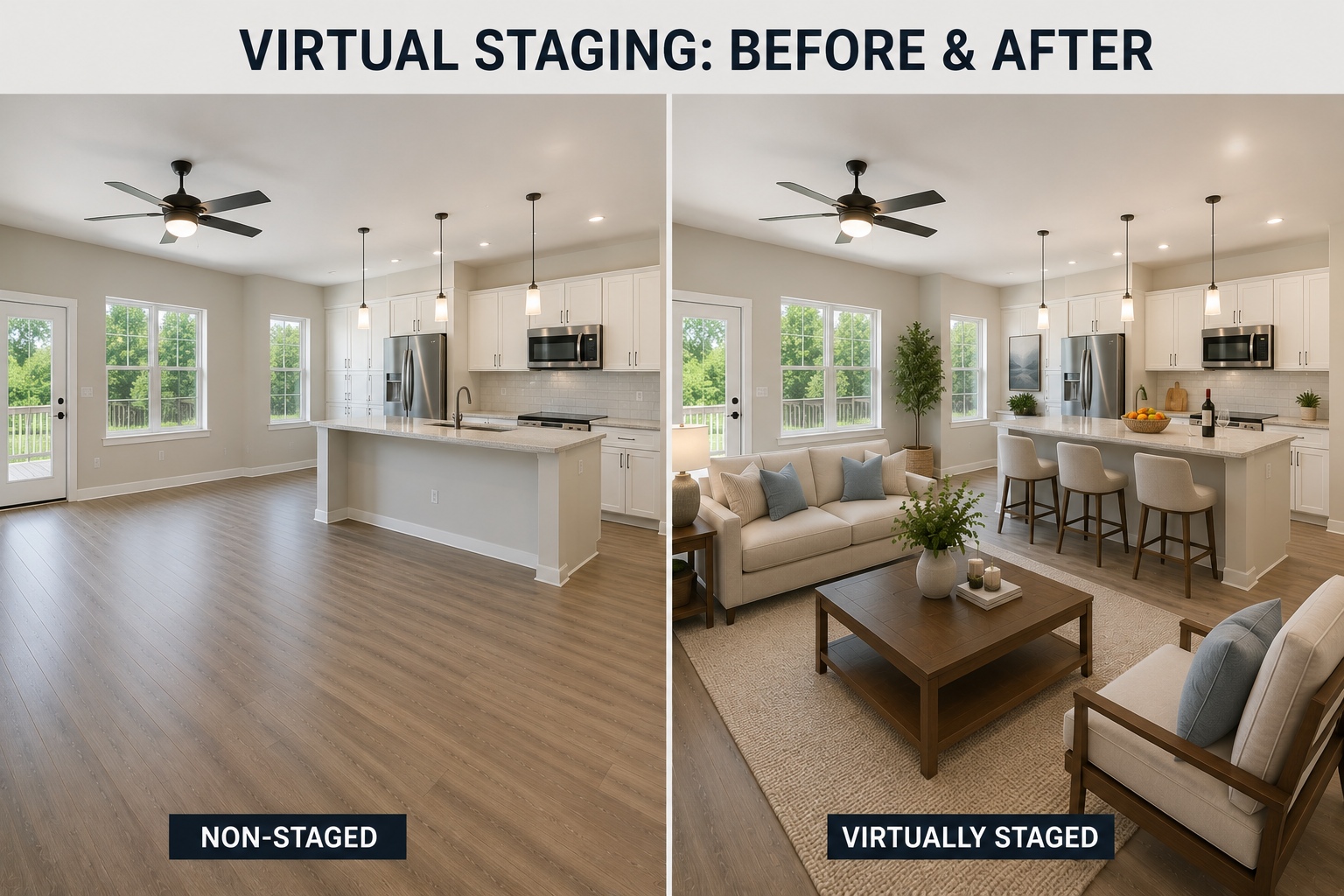
Our article Virtual Staging Before and After Does It Make a Difference demonstrates how subtle, professionally executed staging often creates the strongest visual impact.
Virtual Staging Maximizes Marketing Budgets
Not every listing requires every room to be staged.
For many properties, staging just three or four key rooms provides excellent value while significantly improving the overall appearance of the listing.
By prioritizing the most influential spaces, agents can:
- Reduce marketing costs.
- Improve listing presentation.
- Increase buyer engagement.
- Create stronger first impressions.
- Help buyers understand room functionality.
- Showcase the home’s full potential.
This strategic approach allows agents to invest where staging will have the greatest effect rather than furnishing every room unnecessarily.
Professional Photography Is the Foundation
Virtual staging begins with professional real estate photography.
Well-composed, properly exposed photographs provide the ideal canvas for realistic digital furnishings.
Accurate perspectives, balanced lighting, and sharp image quality help staged furniture blend naturally into the room.
At Fotosold, we believe professional photography and virtual staging complement one another.
High-quality images ensure that staged rooms look authentic while accurately representing the home’s size, layout, and architectural details.
Without professional photography, even excellent virtual staging cannot achieve its full potential.
Local Expertise Creates Better Results
Successful staging reflects both the style of the home and the expectations of local buyers.
Furniture that complements a luxury home may not be appropriate for a downtown condominium or an investment property.
Understanding local design preferences helps create staging that feels natural and appealing.
Whether photographing family homes, custom residences, new construction, or investment properties, local experience helps produce marketing materials that resonate with buyers.
If you’re marketing homes throughout Louisiana, combining professional photography with our Baton Rouge real estate photography services helps create polished listing images that showcase every property’s strengths while appealing to buyers in the local market.
Conclusion
Choosing the right rooms to stage first can significantly improve the effectiveness of your real estate marketing while keeping costs under control.
The living room, primary bedroom, dining area, and flexible living spaces often have the greatest influence on buyer perception because they help buyers imagine how they would live in the home.
Professional virtual staging for vacant homes, combined with high-quality photography, transforms empty rooms into welcoming living spaces that strengthen first impressions, improve buyer engagement, and help vacant properties compete more effectively in today’s online real estate market.